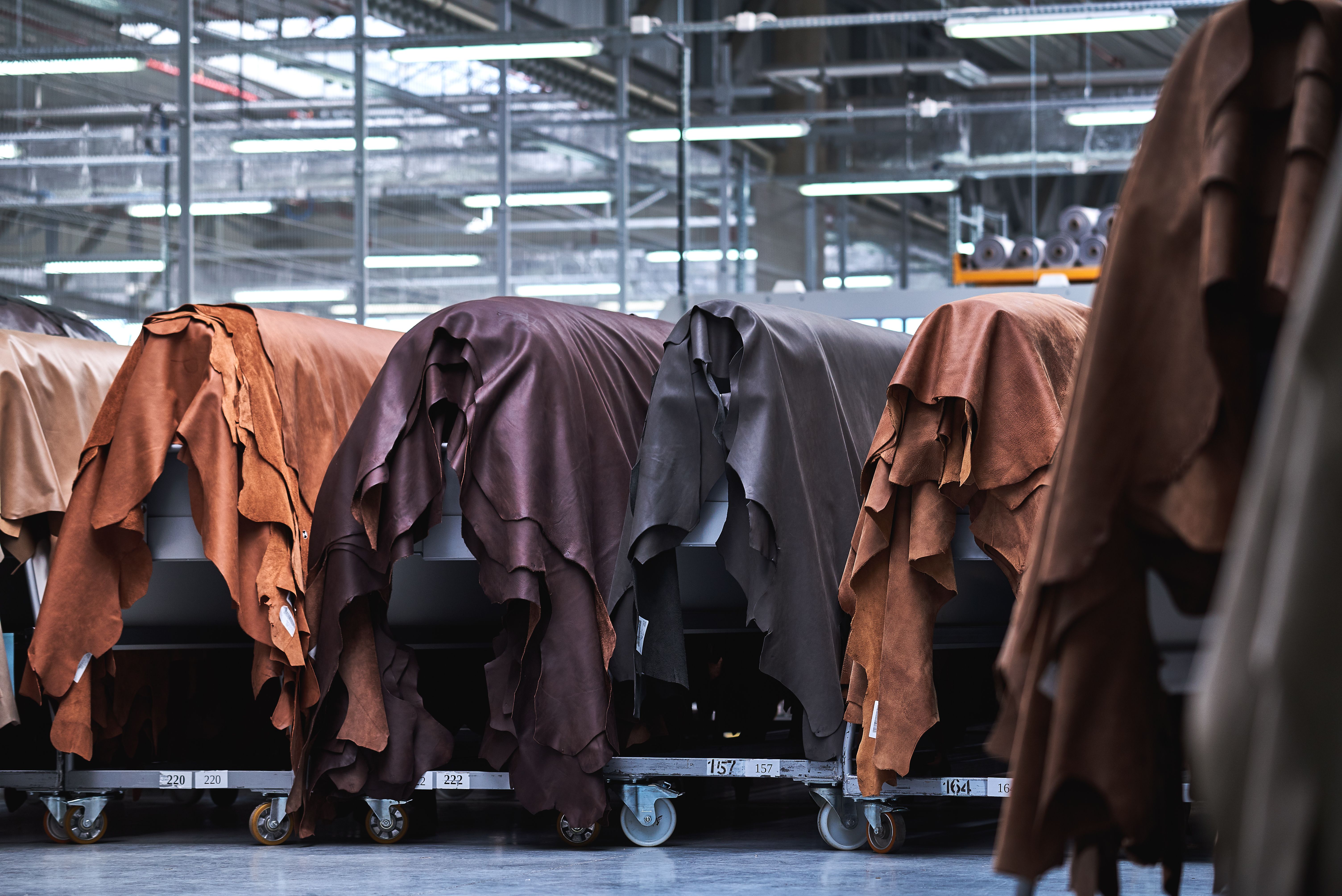
Production of natural leather for furniture
PRESS RELEASE
4 May 2026
The European Commission has proposed to exempt leather from the EU Deforestation Regulation (EUDR) as part of a simplification package announced today. The package includes a report to the European Parliament and Council, revised guidance and FAQs, changes to the IT system and proposed amendments to the list of products covered by the regulation.
The EUDR was passed in 2023 and initially set to be enforced from December 2024. Giving in to industry pressure, policymakers delayed enforcement twice and have sought to weaken it. When agreeing to the second delay at the end of 2025, the European Parliament and Council required the Commission to complete a simplification review by April 2026.
The EUDR requires companies importing and exporting certain commodities – including timber, beef, leather, cocoa, coffee, palm oil and rubber – and derived products to show these have not been produced illegally or on land deforested after 2020.
The changes proposed by the Commission today would remove leather hides from the scope of the regulation.
The Commission's package does not propose reopening the regulation, sending an important signal that businesses should continue to prepare for compliance ahead of the law’s 30 December 2026 start date.
Miki Ng, Earthsight’s researcher and campaigner on EU policy, said:
“The proposal to remove leather from the law is about politics, not evidence. The Commission has caved to the European leather sector’s lobbying to exempt itself from the regulation.
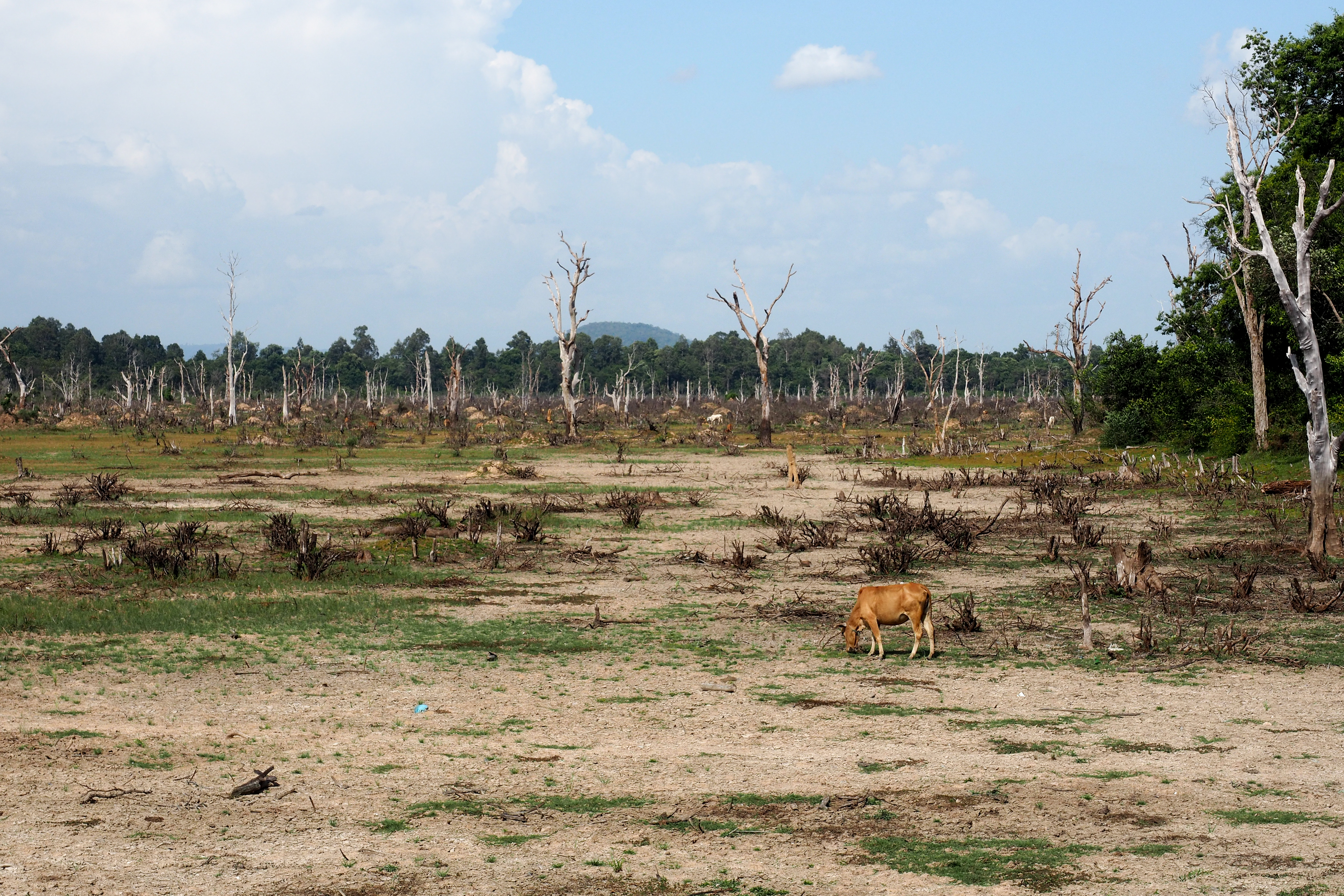
This creates a glaring loophole in the EUDR. Beef originating from cattle raised on deforested land will be kept away from the EU market but hides from that same animal will be free to circulate. The leather industry obtains its key raw material from one of the supply chains the EUDR is designed to clean up. This is not simplification – it is special treatment.
Cattle ranching is the number one cause of commodity-driven deforestation worldwide and the main driver of Amazon deforestation. Research by Earthsight and others has linked Italian leather supply chains to illegal deforestation and violations of Indigenous land rights in the Brazilian Amazon and Paraguayan Chaco.
As the second biggest importer of leather from Brazil and the biggest from Paraguay, the EU has the opportunity to reduce the impact of its consumption on ecosystems that are critical for biodiversity and the climate. Instead, the Commission has chosen to protect commercial interests at the expense of forests and affected communities.”
ENDS
Notes to Editors
- Earthsight is a London-based non-profit committed to exposing environmental and social crime and their links to global consumption.
- The EUDR was passed in June 2023, following three years of discussion and debate. It was originally scheduled to be enforced from December 2024, but will now be applied from December 2026.
- The press release for the Commission’s simplification package can be found here.
- In March 2026, Earthsight published an analysis revealing that European leather sector lobbyists have targeted far-right parliamentarians to remove leather from the EUDR's scope, while publicly committing to greater traceability and sustainability. The analysis also confirms that leather imported into the EU continues to be linked to deforestation in Brazil and Paraguay.
- Further information regarding leather in the EUDR is available here:
- NGO briefing highlighting the evidence supporting leather's continued inclusion.
- Letter from 26 NGOs and the largest Indigenous network in Brazil calling on the Commission to maintain leather products within the scope of the EUDR.
Contacts:
Earthsight Researcher/Campaigner: Policy and Latin America, Miki Ng