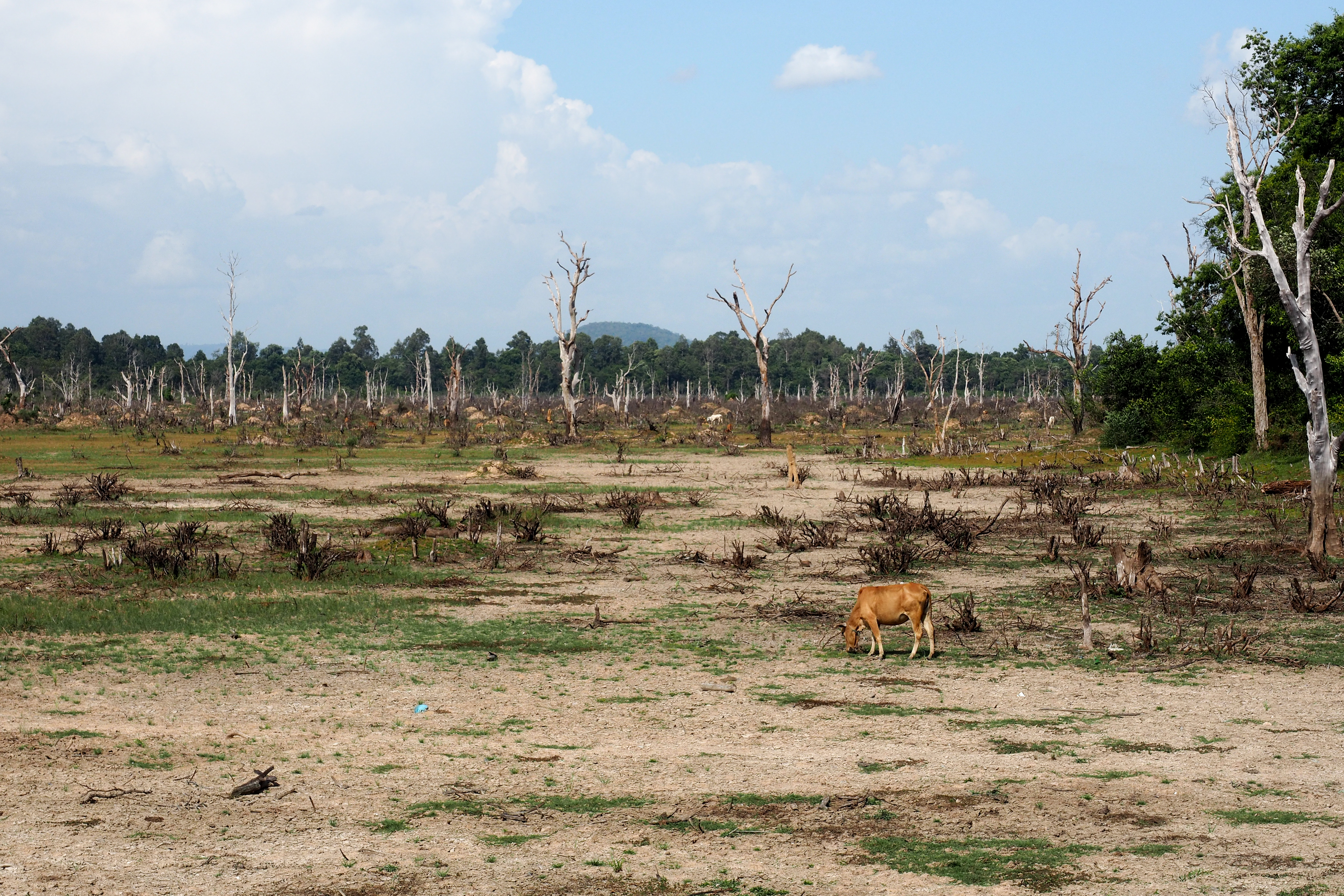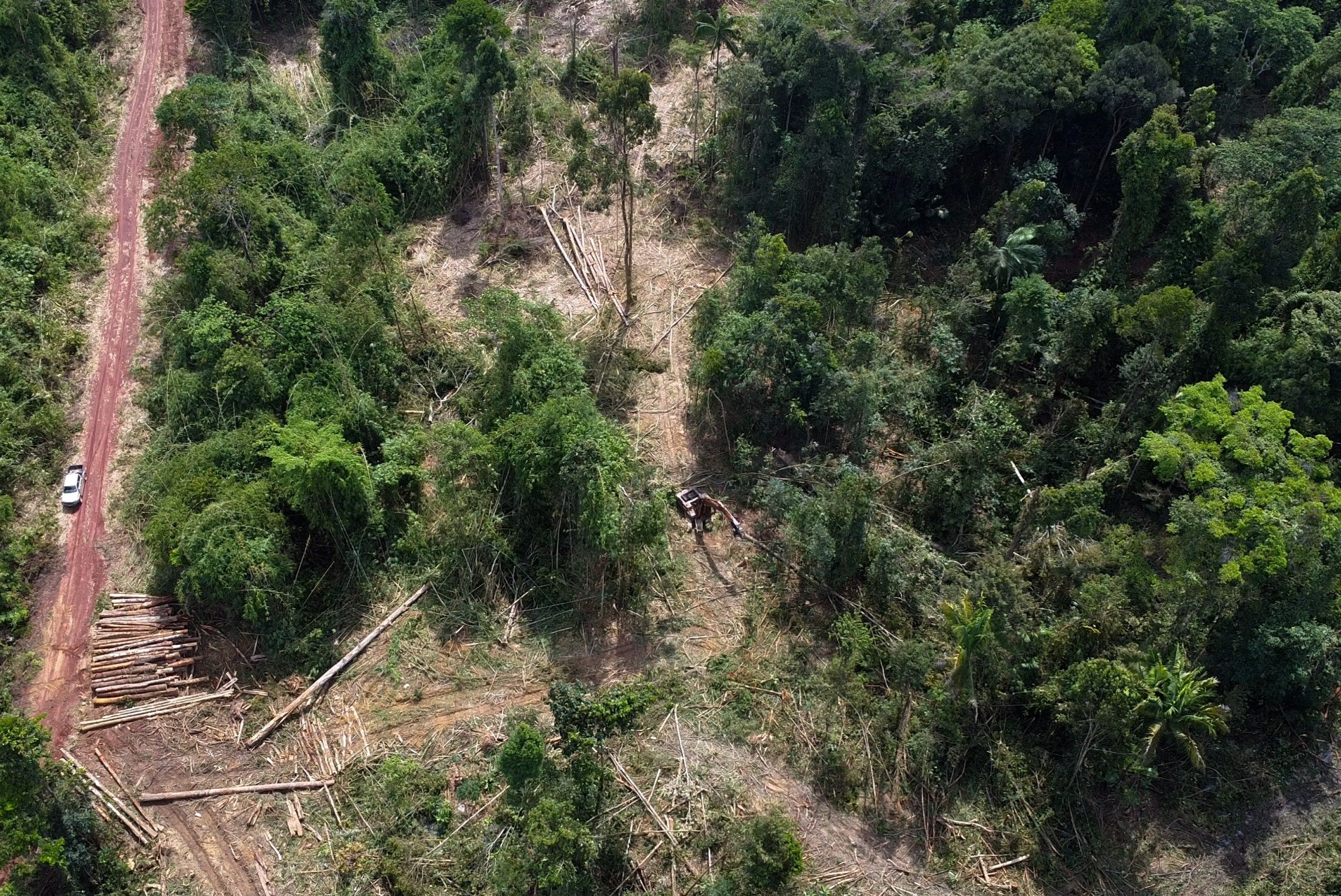
Deforestation in Pahang, Peninsular Malaysia
- New study reveals big-brand UK retailers selling tropical wood labelled as ‘sustainable’ despite links to deforestation and human rights abuses
- Scandal exposes how the UK is losing ground to the EU, which has already passed regulations to require supply chain due diligence and prevent imports of commodities linked to deforestation
- News follows decision by UK government to slash funding for international forest protection, contradicting manifesto pledges
Friends of the Earth and RimbaWatch last week published Tainted Timber, a report revealing how a flawed sustainability certification system is allowing doors and plywood made from wood linked to human rights abuses and destruction of precious tropical forest to flood into the UK.
The scandal implicates major British brands, including kitchens giant Howdens and leading builders’ merchant Travis Perkins. Earthsight assisted with the research, making the supply chain connections.
The findings are based on a detailed study by RimbaWatch of MTCS/PEFC certification in Peninsular Malaysia. MTCS is a Malaysian government-run timber sustainability assurance system which is officially endorsed by the international body PEFC, the world’s largest green label for wood products. This endorsement allows MTCS-certified products to be sold internationally with the familiar PEFC logo.
This RimbaWatch study follows on from a similarly damning analysis of MTCS operations in Malaysian Borneo, published in 2023.
The new study finds that MTCS/PEFC has overlooked deforestation within certified forests, including destruction of ecologically precious undisturbed forest and habitat for Malayan tigers, of which fewer than 150 are estimated to survive. As a result, there is a risk that the wood produced through this forest clearance, known as ‘conversion timber’, could have been entering certified supply chains meant only for wood from (theoretically) ‘sustainable’ selective cutting.
The study finds issues with even the ‘selective’ logging taking place in these certified forests – in which some trees are felled but the surrounding forest is left standing – with logging taking place in sensitive water catchments and on steep slopes, potentially having contributed to a deadly flood in 2022.
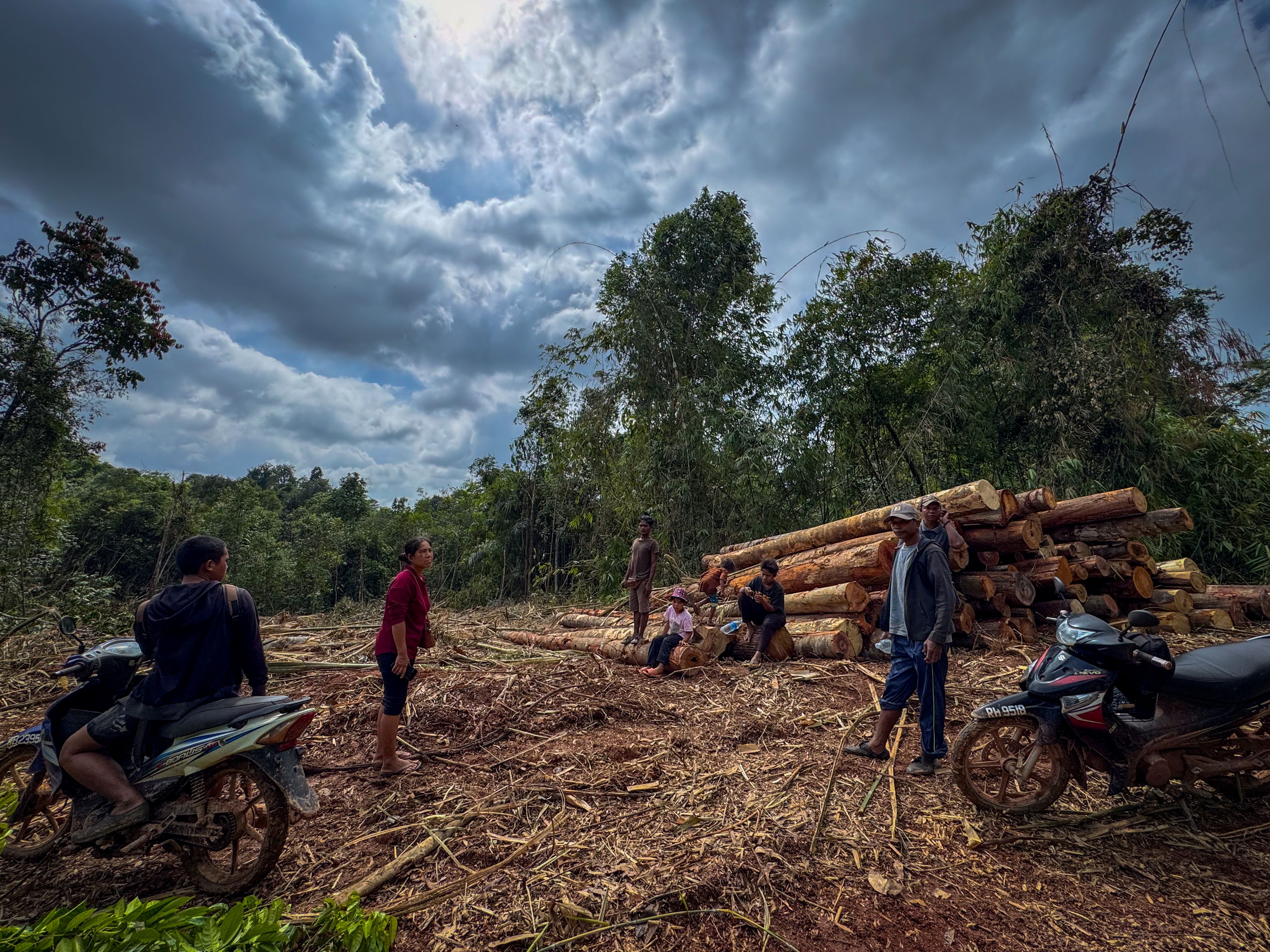
Deforestation in Pahang, Peninsular Malaysia
MTCS/PEFC certification is also supposed to ensure that timber production respects the rights of local and Indigenous people. Here again the study finds systemic failings. The analysis identifies nine different cases where audit reports either entirely ignored or misrepresented ongoing conflicts with Indigenous Orang Asli people in certified forest areas.
The study also reveals broader governance failings. Typically, sustainability assurance systems depend on three things to ensure good governance: independent auditors, transparency of information and a clear system for handling complaints. MTCS/PEFC, the authors find, is failing on all three counts.
The forest ‘managers’ are all government-owned, and the company that carries out MTCS audits is owned by the same government ministry charged with ensuring they are conducted properly – a clear conflict of interest. Crucial forest management plans and environmental impact assessments are kept secret, preventing truly independent scrutiny.
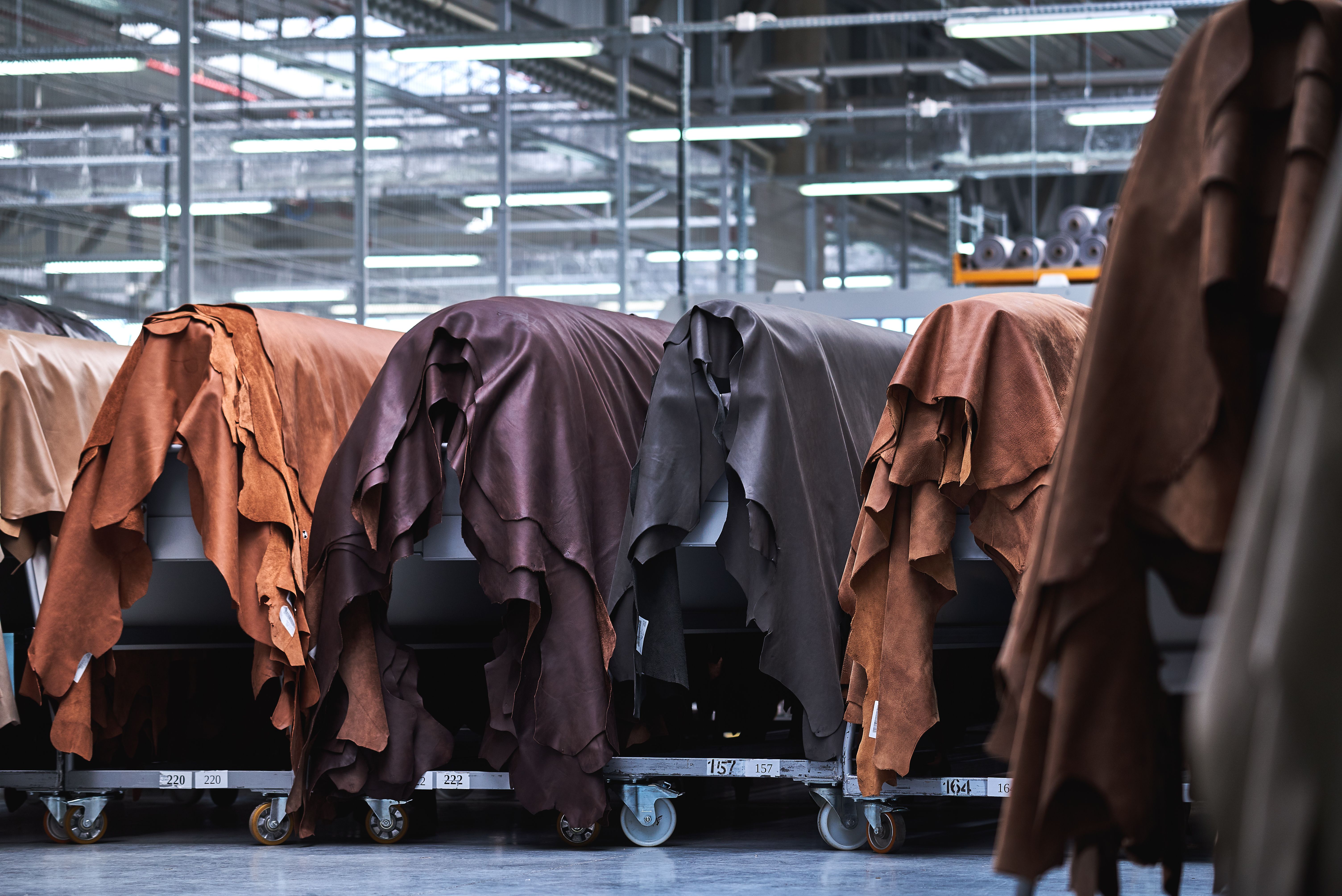
More than 4 million hectares of forest in Peninsular Malaysia is certified by MTCS/PEFC. Earthsight traced natural forest timber from these certified forests to the UK, one of the largest markets for Malaysian wood. Buyers, we found, included the stock exchange-listed kitchen and joinery giant Howdens, which in 2025 purchased some 139,000 wooden doors made using tropical wood from Malaysia.
Another buyer was Travis Perkins, a builders’ merchant with over 500 branches in the UK, which sells plywood containing Malaysian wood with a MTCS/PEFC label.
We estimate that plywood, doors, lumber and mouldings made with MTCS-certified wood from Peninsular Malaysia with a total retail value of £177m were imported to the UK in 2025. Importers admitted to Friends of the Earth that they rely on MTCS/PEFC to ensure their wood is sustainable, and expressed concern at the findings.
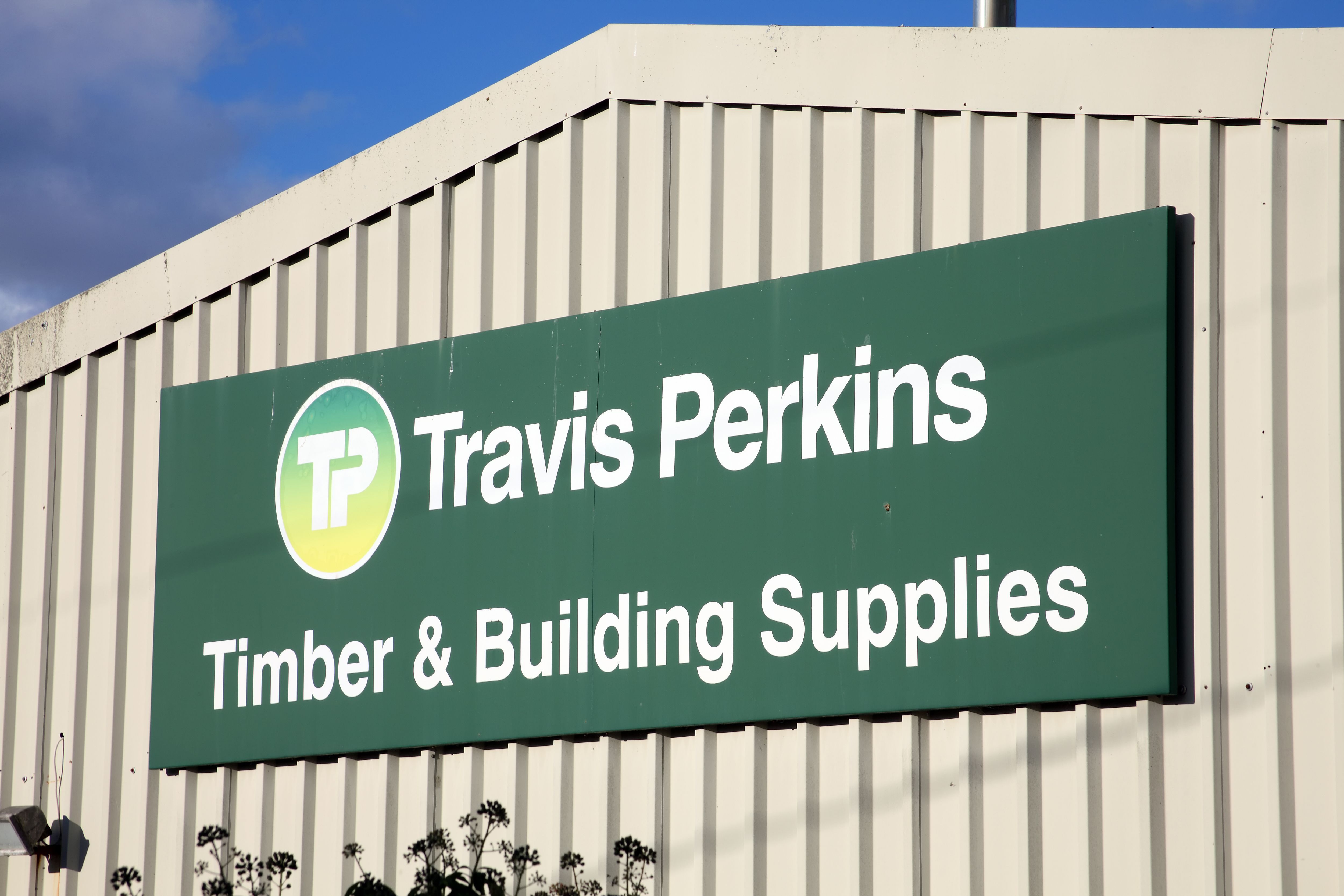
Travis Perkins building supply store in Wales, January 2017
Failings by the UK government are allowing this tainted trade to happen. While the UK was once at the forefront of global efforts to address the impacts of Western consumption on forests, Brexit and declining aid budgets have seen it fall further and further behind. Production of beef, soy, palm oil and wood for lucrative export markets are by far the largest drivers of tropical forest loss.
In the EU, a law will take effect in December 2026 which bans the import of such commodities if they come from recently deforested land or were illegally produced. The EU Deforestation Regulation (EUDR) also requires importers to be able to trace their goods to the locations where they were reared, farmed or harvested.
In addition, the EU has passed broader legislation meant to stop environmental and human rights abuses in corporate supply chains, preventing consumers from being unwittingly complicit in abuses such as forced labour or mass poisonings. An EU-wide regulation is due to take effect in 2029, while a similar law is already in place in Germany.
UK law, by contrast, only bans the import of illegally harvested wood, leaving the door open to timber linked to legal deforestation. Legislation was passed in 2021 to ban other ‘forest-risk commodities’ grown on illegally deforested land, but this law remains in limbo since successive governments have failed to pass the regulations needed to implement it. The UK government has yet to commit to implementing any wider supply chain ethics rules, despite growing public pressure for a Business, Human Rights and Environment Act (BHREA).
UK companies are now joining the chorus for action. Without regulatory alignment, they risk being excluded from the key EU market.

World leaders on forests convened by the UK government at COP26 in Glasgow, November 2021
This is only the latest in a series of scandals affecting PEFC, whose label now applies to 12 per cent of the world’s forests. Earthsight has exposed how wood from the largest illegal logging case in Russian history was traded into Europe with a PEFC label. More recently, we revealed that the two biggest deforesters in Indonesia had been granted ‘sustainable’ certification under PEFC. Environmental organisations from Indonesia, Europe, the UK and US called on the labelling scheme to urgently address major weaknesses in its standards that allow this greenwashing.
Earthsight supports Friends of the Earth’s recommendations for action by the UK government and PEFC in response to the report.
EU importers should also take note. While the Tainted Timber study focuses on UK imports, Europe is another major consumer of tropical wood from Peninsular Malaysia, with buyers similarly relying on PEFC/MTCS certification to ensure sustainability of their supply. They risk breaching the forthcoming EU Deforestation Regulation if they continue to do so – and facing severe penalties as a result.