Deforestation in the Paraguayan Chaco
We need a strong deforestation law in Europe
Starting in 2027, the EU Deforestation Regulation (EUDR) will improve forest protection by banning the import or sale of products associated with deforestation or produced illegally.
Full implementation of the EUDR, without further delays or weakening through so-called ‘simplification’ measures or products exclusion from its scope, is essential to ensure the regulation can effectively protect forests, biodiversity and Indigenous rights.
On 4 May, the EU Commission proposed exempting leather from the EU Deforestation Regulation (EUDR) as part of its recent simplification package.
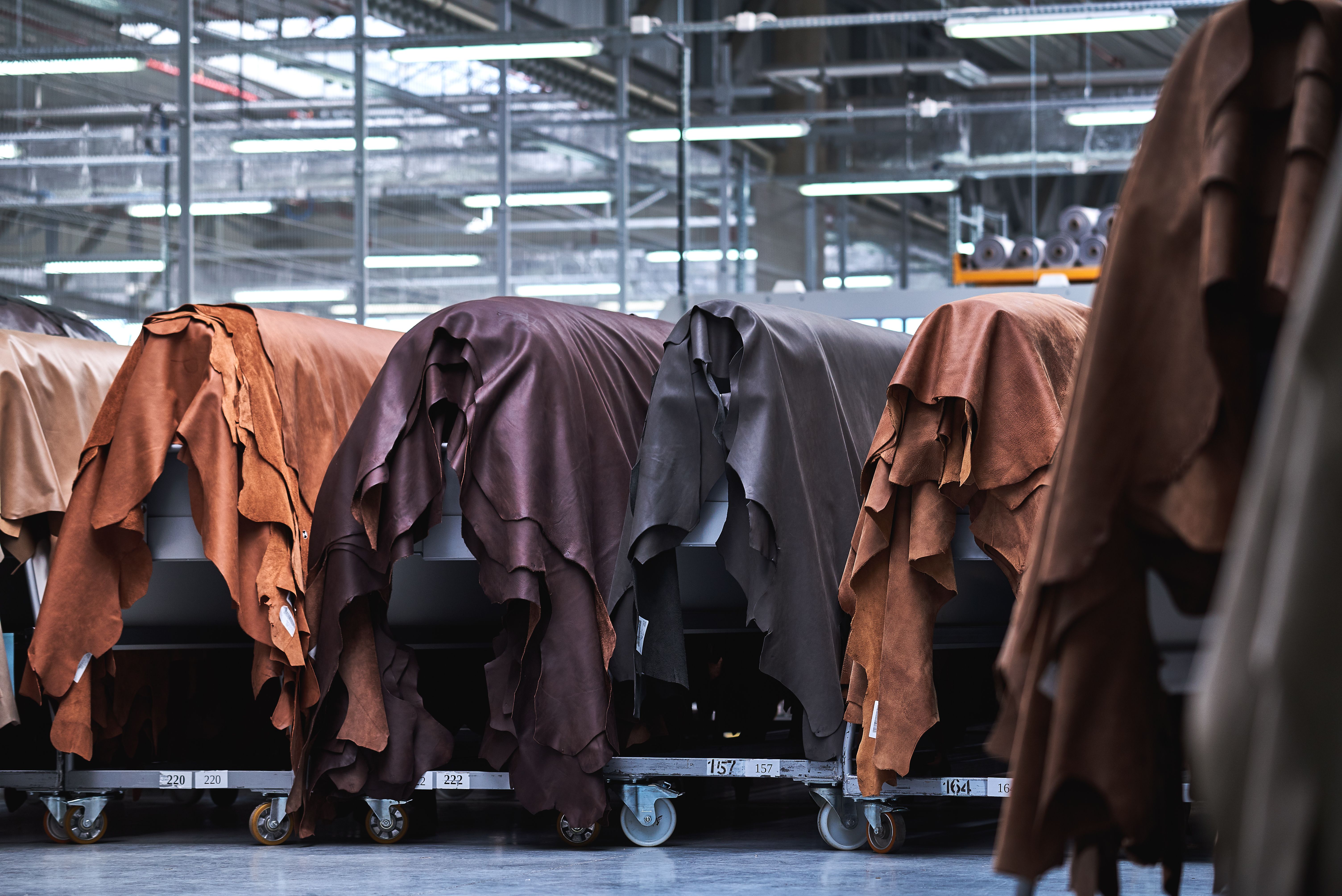
The proposal follows persistent lobbying from the European leather industry, which would rather be exempted from the law than clean up their supply chains.
If leather is removed from the EUDR, products linked to deforestation and human rights abuses could continue entering Europe unchecked. This would significantly weaken the Regulation’s ability to reduce the impacts of EU consumption on the world’s forests.
A group of 26 NGOs and the largest Indigenous network in Brazil have sent an open letter to the Commission explaining why leather should remain in the EUDR.
The EU Commission is now inviting the public to share their views on the proposed changes.
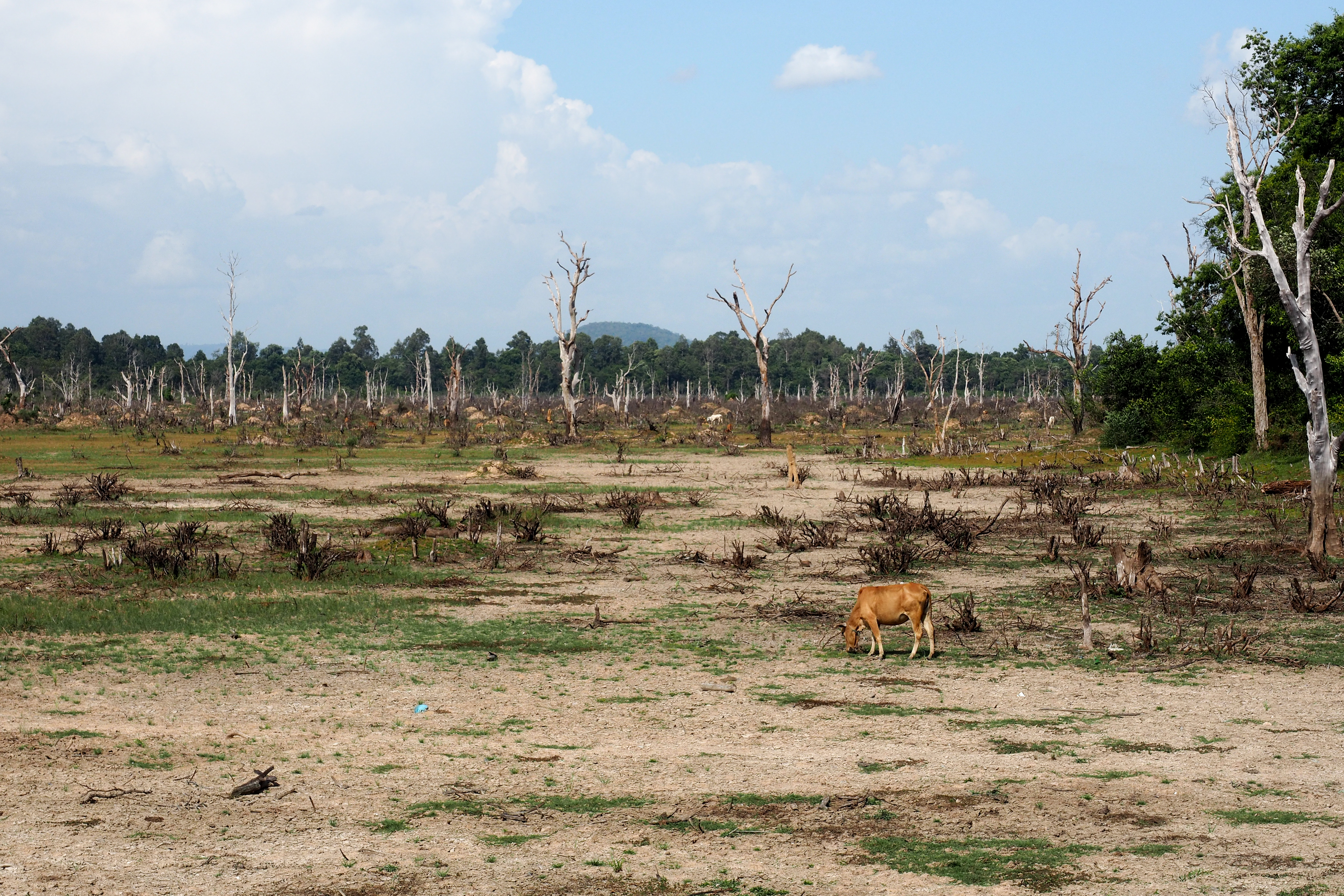
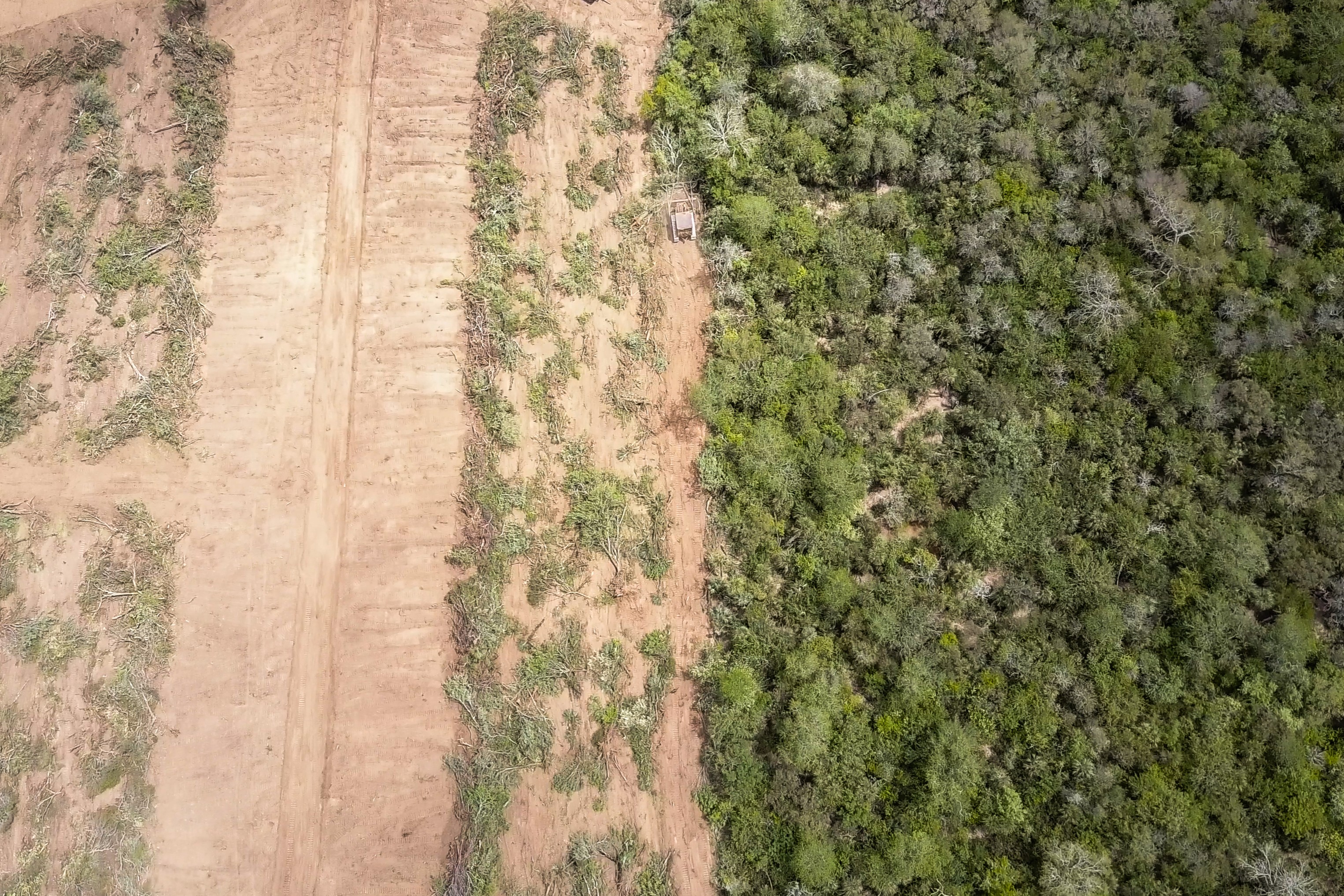
Now is not the time to weaken the EUDR. The world lost 4.3 million hectares of tropical primary forest in 2025 – equivalent to almost 11 football fields per minute – with agricultural expansion being the leading cause. Cattle ranching accounted for 42 per cent of global deforestation between 2001 and 2022.
The Commission's own analysis shows that the EU’s consumption of leather has a higher deforestation footprint than that of most commodities covered by the EUDR, including beef, soy and palm oil.
The evidence is clear: EU leather supply chains remain closely linked to deforestation and human rights abuses – precisely the harms the EUDR was designed to address. Removing leather from the regulation does not make those links disappear. It merely removes accountability.
We encourage organisations and individuals committed to ending deforestation and strengthening human rights protections to submit feedback letting the EU Commission know that the focus now should be on implementing the EUDR – not weakening it – and ensuring Europe’s leather supply chains are deforestation-free.
This is your chance to speak up.
Write your message via the form below to tell decision-makers that the focus now should be on implementing the EUDR and ensuring Europe’s leather supply chains are deforestation free.
You have until 1 June 2026 to make your voice heard!
Use the "Help me write it" button below to get a suggested text prepared by our campaigners that you can submit, or you can edit and personalise it before submitting. If you would like other text options, click "Generate another" to get an alternative response. Please note that your submission will be public on the Commission’s website.